

Dog boarding Colorado Springs summers demand extra vigilance: Colorado's high-altitude dry heat poses heatstroke risks that humid-climate dog owners are often unprepared for, and those risks do not disappear when your dog is in someone else's care. At 5,000 to 6,000 feet above sea level, Colorado Springs temperatures can feel deceptively manageable to humans while creating significant physiological stress for dogs. Understanding why, and knowing what responsible summer pet care looks like both at home and in a boarding environment, is essential for any Colorado Springs pet owner heading into the hottest months of the year.
Part of Our Pet Owner Resource Hub
This post is part of our ongoing pet owner education series. Browse all guides and articles in the Resource Hub.
Why Colorado's Summer Heat Is Different and What It Means for Your Dog
Altitude and Dry Heat: A Combination Most Dog Owners Underestimate
Colorado Springs sits at roughly 6,000 feet above sea level. At that altitude, UV radiation is significantly more intense than at sea level, solar heating of surfaces happens faster, and the dry air pulls moisture from the body more quickly than humid climates do. For dogs, this combination accelerates dehydration and heat stress in ways that catch owners off guard, particularly those who have moved here from more humid parts of the country.
In humid climates, the body relies on evaporative cooling, which is why sweating works in those environments. Dogs cool themselves primarily by panting, which is also an evaporative process. In dry, high-altitude air, panting does help cool the body, but it also accelerates moisture loss. A dog exercising in Colorado Springs summer heat is losing water faster than it would in a coastal or southeastern climate at the same temperature. This means hydration needs are higher, rest periods need to come sooner, and heat-related symptoms can onset faster than most owners expect.
Heatstroke Warning Signs Every Colorado Springs Pet Owner Should Know
Heatstroke in dogs is a medical emergency. It develops when the body's core temperature rises above the range it can safely regulate, and it can progress from concerning to life-threatening in a short window of time. The earlier you recognize the signs, the better the outcome.
Early warning signs include:
- Excessive, heavy panting that does not slow with rest
- Thick or ropy saliva
- Bright red gums or tongue
- Lethargy or sudden loss of coordination
- Vomiting or diarrhea
- Glazed or unfocused eyes
As heatstroke progresses, symptoms escalate to collapse, seizures, and loss of consciousness. If your dog shows any of the early signs after outdoor activity in summer heat, move them to a cool environment immediately, offer water without forcing them to drink, and contact your veterinarian or an emergency animal clinic without delay. Do not wait to see if the symptoms resolve on their own.
Cooling Protocols: What to Do and What to Avoid
The instinct to cool a dog down as fast as possible is correct, but the method matters. Applying ice or ice-cold water can cause blood vessels near the skin to constrict, which actually slows the release of heat from the body's core. The goal is rapid but controlled cooling.
Effective cooling steps for a dog showing heat stress symptoms:
- Move the dog to a shaded or air-conditioned space immediately.
- Apply cool, not cold, water to the paw pads, groin, armpits, and neck where blood vessels are close to the surface.
- Use a fan to increase airflow over the wet areas.
- Offer small amounts of cool water if the dog is alert enough to drink without assistance.
- Transport to a veterinary clinic as soon as the dog is stable enough to move, even if symptoms appear to improve.
Heatstroke causes internal damage that is not always visible from the outside. A dog that appears to recover with cooling at home may still have organ damage that requires veterinary evaluation. When in doubt, go to the vet.
Breeds and Dogs at Higher Risk in Colorado Summers
All dogs are vulnerable to heat, but some are significantly more so. Brachycephalic breeds, those with flat or compressed faces such as Bulldogs, Pugs, Boxers, and French Bulldogs, have compromised airways that make panting less efficient. They overheat faster and recover more slowly. Senior dogs, overweight dogs, and dogs with heart or respiratory conditions are also at elevated risk.
Large dark-coated breeds absorb more solar radiation in direct sunlight, which increases their heat load during outdoor activity. Arctic and double-coated breeds like Huskies and Malamutes are surprisingly heat-tolerant in low-humidity environments but still need managed outdoor time during Colorado's hottest hours.
If your dog falls into any higher-risk category, summer outdoor activity should be limited to early morning or evening hours when temperatures and UV exposure are lower. This applies at home and during boarding or daycare.
How Responsible Boarding Facilities Manage Summer Heat
Summer pet safety in Colorado Springs does not end when your dog is in a boarding facility's care. It becomes the facility's responsibility, and you should know exactly how they handle it before you book.
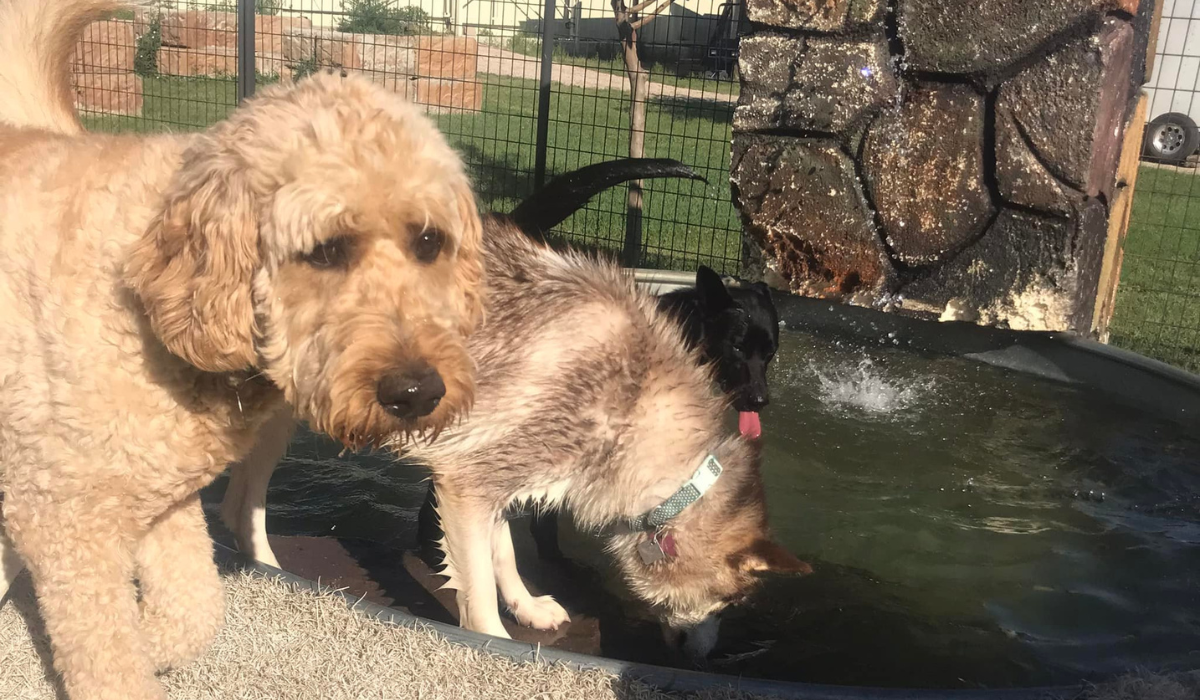
At 4 Paws Country Kennels, outdoor play during summer months is scheduled around temperature and time of day. Dogs are not left in direct sun during peak heat hours, shade and water access are continuous, and outdoor sessions are adjusted or moved indoors when conditions warrant. Our one-acre property includes shaded areas and our doggy splash zone, which gives dogs a way to actively cool down during summer play rather than simply resting through the heat.
Our dog boarding program and doggy daycare program both account for seasonal conditions. Staff are trained to recognize early heat stress signals in dogs and to act before symptoms escalate. If you have questions about how we manage summer care for specific breeds or dogs with health conditions, our boarding FAQ is a good starting point, and you are always welcome to call us directly at 719-660-1260.
Practical Summer Safety Tips for Colorado Springs Dog Owners
Beyond heat emergencies, summer in Colorado Springs presents a range of everyday risks that are worth building into your routine:
- Pavement temperature: Asphalt in direct Colorado sun can reach temperatures that burn paw pads within seconds. If the pavement is too hot for your bare hand after seven seconds, it is too hot for your dog's paws. Walk on grass where possible or use protective booties.
- Car interiors: A car parked in Colorado sun can reach dangerous internal temperatures within minutes even on a mild day. Never leave a dog unattended in a parked vehicle during summer months.
- Water access: Dogs should have access to fresh, cool water at all times during summer, both indoors and during any outdoor activity. Increase water frequency proactively rather than waiting for signs of thirst.
- Exercise timing: Limit vigorous outdoor activity to before 9 AM and after 6 PM during peak summer heat. This applies to walks, runs, fetch, and off-leash play.
Frequently Asked Questions
What temperature is too hot for dogs in Colorado Springs?
Most dogs begin to experience heat stress risk when ambient temperatures exceed 80 degrees Fahrenheit, particularly during midday when UV radiation and reflected heat from pavement are at their peak. At Colorado Springs' altitude, solar intensity accelerates this risk. Brachycephalic breeds, senior dogs, and dogs with underlying health conditions reach their threshold sooner. The time of day and direct sun exposure matter as much as the temperature reading alone.
How do I keep my dog cool in Colorado's dry summer heat?
Prioritize shade, hydration, and timing. Keep outdoor activity to early morning and evening hours. Provide continuous access to fresh cool water. Use a paddling pool or damp towel to help your dog regulate temperature during outdoor time. Avoid hot pavement during peak hours. If your dog is boarding or in daycare, confirm that the facility manages outdoor time around temperature and provides active cooling options like a splash zone or shaded rest areas.
What are the signs of heatstroke in dogs?
Early signs include heavy panting that does not slow with rest, thick saliva, bright red gums, lethargy, and loss of coordination. As the condition progresses, vomiting, diarrhea, glazed eyes, and collapse can occur. Heatstroke is a veterinary emergency. If you observe these signs after your dog has been in summer heat, begin cooling immediately and contact a veterinarian without delay.
Do boarding facilities in Colorado Springs adjust for summer heat?
Responsible facilities do. Ask any boarding or daycare provider how they schedule outdoor activity during summer, what shade and water access looks like during the day, and how staff are trained to recognize heat stress in dogs. A facility that cannot answer these questions specifically is not managing summer conditions with the level of care your dog deserves.
Continue Learning
Looking for more seasonal pet safety guidance? Browse the full Resource Hub for year-round tips, boarding prep guides, and local health information.