
Not every dog is a social butterfly, and that is perfectly normal. Some dogs are selective about their canine companions. Others have had difficult experiences that make group play stressful rather than fun. And some simply prefer their own space. If your dog falls into any of these categories, you may have wondered whether non-social dog boarding is even an option, or whether you are limited to facilities that require group play as part of the daily routine. The answer is that experienced kennels manage solo players routinely, and doing it well requires more than just separating dogs. It requires a thoughtful, structured approach to space, visual exposure, and daily enrichment.
Part of Our Pet Owner Resource Hub
This post is part of our ongoing pet owner education series. Browse all guides and articles in the Resource Hub.
What Non-Social Dog Boarding Actually Looks Like in Practice
The Difference Between Dog-Friendly and Dog-Social
These two terms get used interchangeably, but they describe very different things. A dog-friendly dog tolerates other dogs without reacting negatively. A dog-social dog actively enjoys interacting and playing with them. Most dogs fall somewhere in between, and a significant number are neither.
Dog-selective dogs may do fine with one or two familiar dogs but shut down or react around strangers. Dog-reactive dogs may lunge, bark, or posture when other dogs are nearby, even through a fence. Neither of these is a character flaw. Both require a boarding environment that accounts for how the dog actually behaves, not how an owner might wish they behaved.
Facilities that only offer group play as the default structure are not set up to handle this spectrum. Facilities with experience in non-social dog boarding have systems in place that protect every dog, social or not.
How Solo Play Is Managed Safely
Managing a dog that does not do well with others is not simply a matter of keeping them in their run all day. That approach leads to boredom, frustration, and stress behaviors that make things worse over time. Good non-social dog boarding means the dog still gets meaningful time outside, still gets human interaction, and still has a structured day. It just happens on a schedule that keeps them separated from other dogs throughout.
Practically, this involves staggered outdoor rotations. Solo players go out when the yard is clear. Staff track which dogs are out and in at any given time, and transitions are managed carefully so dogs do not cross paths unexpectedly. It takes more coordination than group play, but it is standard practice in a well-run facility.
Fear Free Pets, a recognized authority in low-stress veterinary and kennel care, emphasizes that reducing unplanned dog-to-dog exposure is one of the most effective ways to lower overall stress levels in a boarding environment. A dog that is not constantly bracing for an unexpected encounter with another dog is a calmer, more comfortable dog. You can explore their resources at fearfreepets.com.
Visual Barriers and Why They Matter
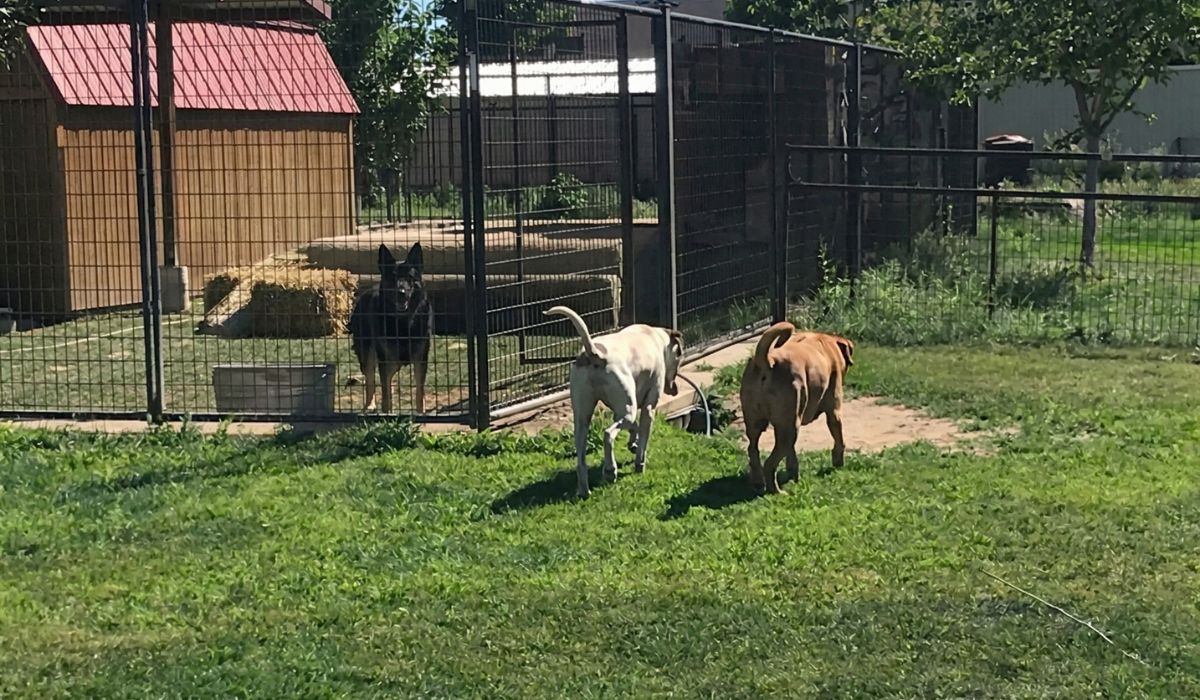
Physical separation is only part of the equation. For reactive or anxious dogs, visual exposure to other dogs through a fence or across a yard can be just as triggering as direct contact. A dog that spends its outdoor time fixated on another dog behind a barrier is not relaxing. It is rehearsing a stress response, which makes reactivity worse over time.
Visual barriers, whether solid panels, privacy screening on fence lines, or thoughtful yard layout, interrupt that line of sight. They give reactive dogs the ability to decompress without the constant visual stimulation of other animals nearby. This is a design detail that separates facilities that have genuinely thought through non-social dog boarding from those that have simply added a "no group play" checkbox to their intake form.
What to Tell Your Boarding Facility Before Drop-Off
The more specific you can be about your dog's behavior, the better the outcome. Vague descriptions like "doesn't like other dogs" leave a lot of room for misinterpretation. When you call or book, be prepared to share:
- Whether your dog reacts on leash, off leash, or both
- Whether the reactivity is fence-specific or general
- Any known triggers beyond other dogs, such as strangers, loud sounds, or specific breeds
- How your dog typically settles after being stressed
- Any medications or management strategies your vet has recommended
This information allows staff to place your dog appropriately, plan their rotation schedule, and avoid situations that could escalate. Our boarding FAQ covers what to expect at drop-off, and our policies page outlines vaccination requirements and what to bring for your dog's stay.
How 4 Paws Country Kennels Approaches Non-Social Boarding
We have been boarding dogs of all temperaments in Colorado Springs since 2008. Non-social dogs are not an exception here. They are a regular part of what we do. Our facility is structured to accommodate dogs that need their own space, and our staff are experienced in reading dog body language and managing rotations that keep every dog comfortable throughout their stay.
We do not pressure dogs into group settings they are not ready for, and we do not treat solo boarding as a lesser option. For many dogs, it is simply the right option. To learn more about how we got here and what drives the way we operate, visit our our story page.
Frequently Asked Questions
Can a reactive dog still board safely?
Yes. Reactivity does not disqualify a dog from boarding. It does require a facility that manages rotations carefully, uses visual barriers where needed, and has staff trained to handle dogs without pushing them into situations that trigger a reaction. Be upfront about your dog's behavior when you book so the facility can plan accordingly.
What is the difference between non-social boarding and solo daycare?
Non-social boarding refers to overnight stays where a dog is kept separate from other dogs throughout their time at the facility. Solo daycare follows the same principle for daytime visits. Both require staggered scheduling and intentional yard management rather than shared group space.
Will my dog be isolated all day during non-social boarding?
No. A well-run facility ensures that non-social dogs still get outdoor time, human interaction, and enrichment throughout the day. The difference is that their schedule is managed so they do not share space with other dogs. Isolation and solo boarding are not the same thing.
How do I know if my dog needs non-social boarding?
If your dog has a history of reacting to unfamiliar dogs, has been in altercations at dog parks or group settings, or simply shuts down and stops eating or engaging when around other dogs, non-social boarding is worth discussing with your facility. Your veterinarian or a certified trainer can also help you assess your dog's social comfort level.
Continue Learning
Looking for more pet owner guidance? Browse the full Resource Hub for seasonal tips, boarding prep guides, and local pet health information.